House
Sourcing & Ethics
Where the fibre comes from, who works it, and how we stand behind that when no one's asking us to.
Our commitment

Lucr publishes its sourcing and production process, the ateliers, the artisans (where they've agreed to be named), and the hours behind each piece, because we think that's what buying honestly should look like. That means naming names where we can, stating real numbers instead of vague reassurance, and being upfront about the parts of this business that are still built by hand and therefore still imperfect. This page is the plain-language version; designers and brands sourcing yardage should read The Sourcing Dossier for the technical detail.
Artisan partnerships & fair pay
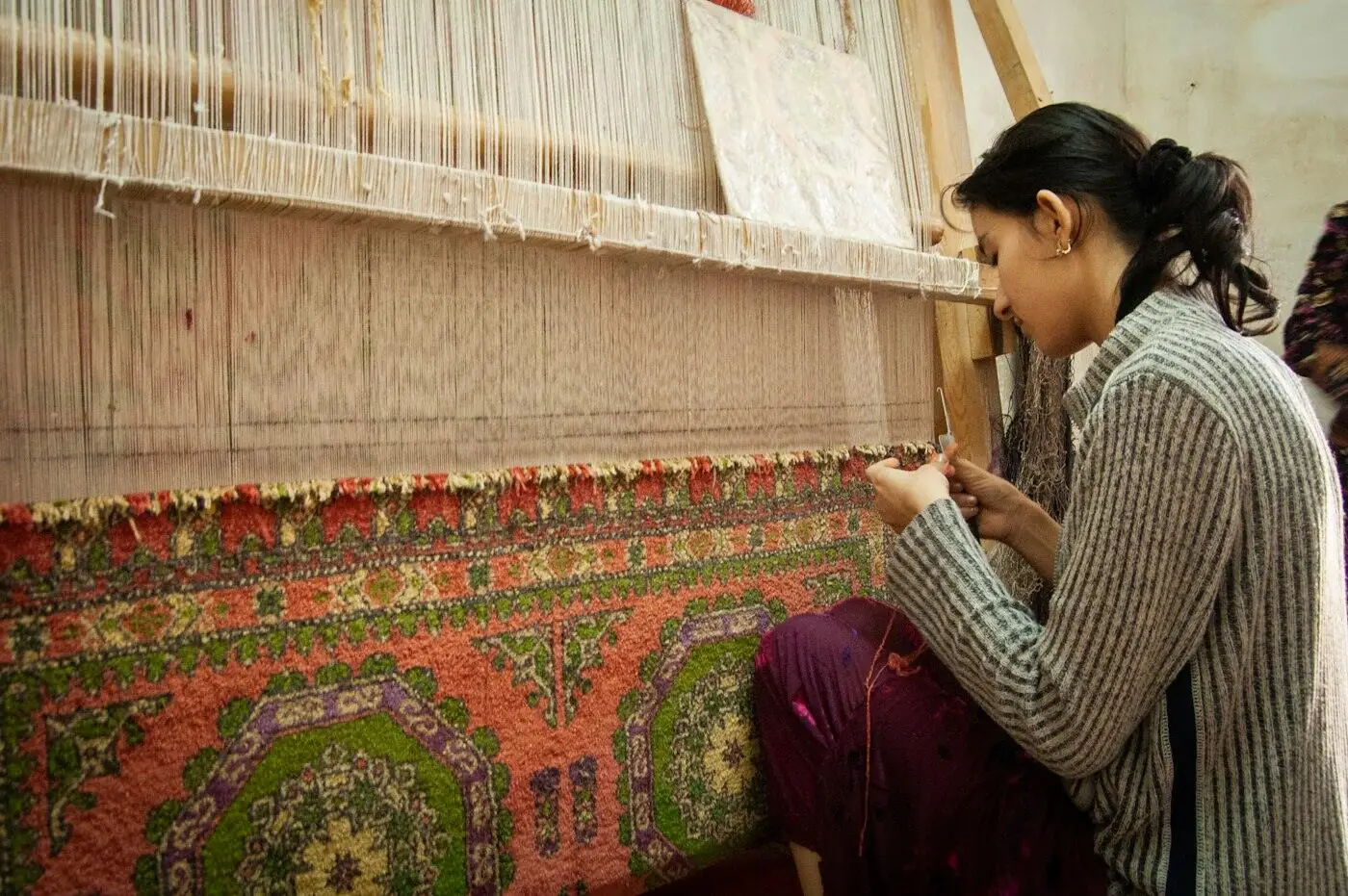
We work with a small, named circle of partner ateliers in Kashmir, currently Zaina Kadal Atelier, Rainawari Ateliers, and Nowhatta Workshop, rather than an anonymous subcontracted supply chain that changes from order to order. We pay for hand-work by the hours and skill it actually takes, not a flat per-piece rate that quietly pressures speed over quality, and that rate is agreed with each atelier directly, not set unilaterally and handed down.
Two questions we get asked often enough to answer here directly. First: what happens when seasonal demand outpaces what an atelier can produce without rushing? We extend the delivery window and tell the customer honestly, we do not ask artisans to work faster or skip steps to hit a date, this is the same principle behind our made-to-order and bespoke lead times being what they are. Second: is sampling and development work paid, or only finished production? It's paid, at the same hourly standard, sample cost is credited back against a confirmed order for trade clients, but the artisan is compensated for that time either way. Registration details for the workshops and artisans behind any piece are available on request.
Animal welfare
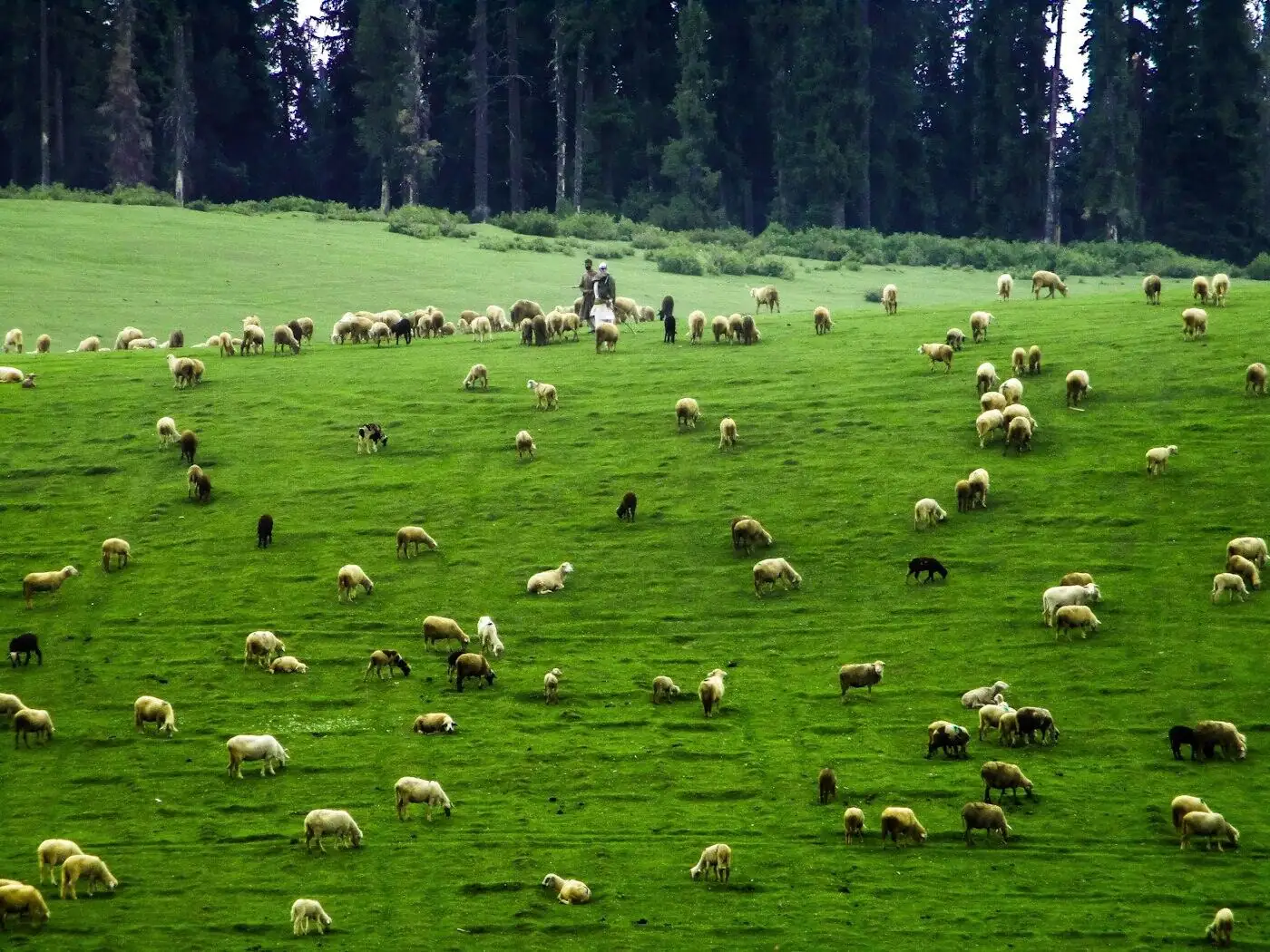
Pashm is combed from the Changthangi goat's undercoat during its natural spring moult, once a year, when the animal is already shedding the fibre on its own, not sheared, not harvested more than once a season, and not taken by any method that harms the animal. This is inherent to how the fibre has always been collected in the region, not a certification added on top after the fact.
A fair question: what about a goat that doesn't produce much undercoat in a given year, is it combed again later in the season to make up the difference? No, combing happens once, in its window, regardless of yield, a lean year means less pashm from that animal, not a second attempt. It's also worth being direct about a common point of confusion: pashmina is not shahtoosh. Shahtoosh comes from the endangered Tibetan antelope and its trade is illegal worldwide; pashmina comes from a domesticated goat combed during a natural moult. We don't source, stock, or work with shahtoosh in any form, see the FAQ for more on that distinction specifically.
Environmental practices
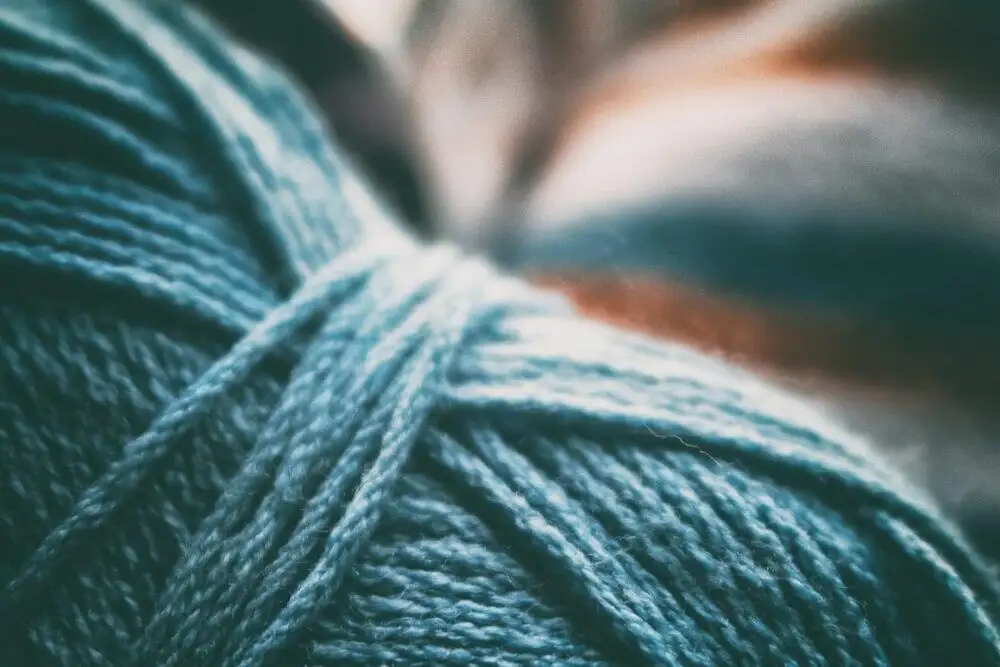
Most of our direct-to-consumer range ships undyed or naturally dyed, madder root, indigo, walnut husk, marigold and saffron, mordanted with alum rather than heavy-metal fixatives. We're direct about the trade-off here rather than only citing the upside: natural dyeing typically uses more water and more time per lot than a synthetic acid-dye bath, and its colourfastness runs a shade lower on a standard wash test, grade 3 to 4 rather than 4 to 5. We choose it anyway for our own range because we'd rather the trade-off ran that direction than the other one, and dye wastewater from every lot, natural or synthetic, is settled and treated before release, not discharged directly.
Trade yardage ordered to an exact pantone match is typically finished in synthetic acid dye instead, since natural dye lots can't guarantee repeatable colour at volume, see The Sourcing Dossier's dyeing section for the full comparison if you're sourcing at that scale.
Modern slavery & human trafficking statement
Lucr does not tolerate forced, bonded, or child labour anywhere in its supply chain, and works only with ateliers who can account for who is doing the work and under what terms.
How we verify
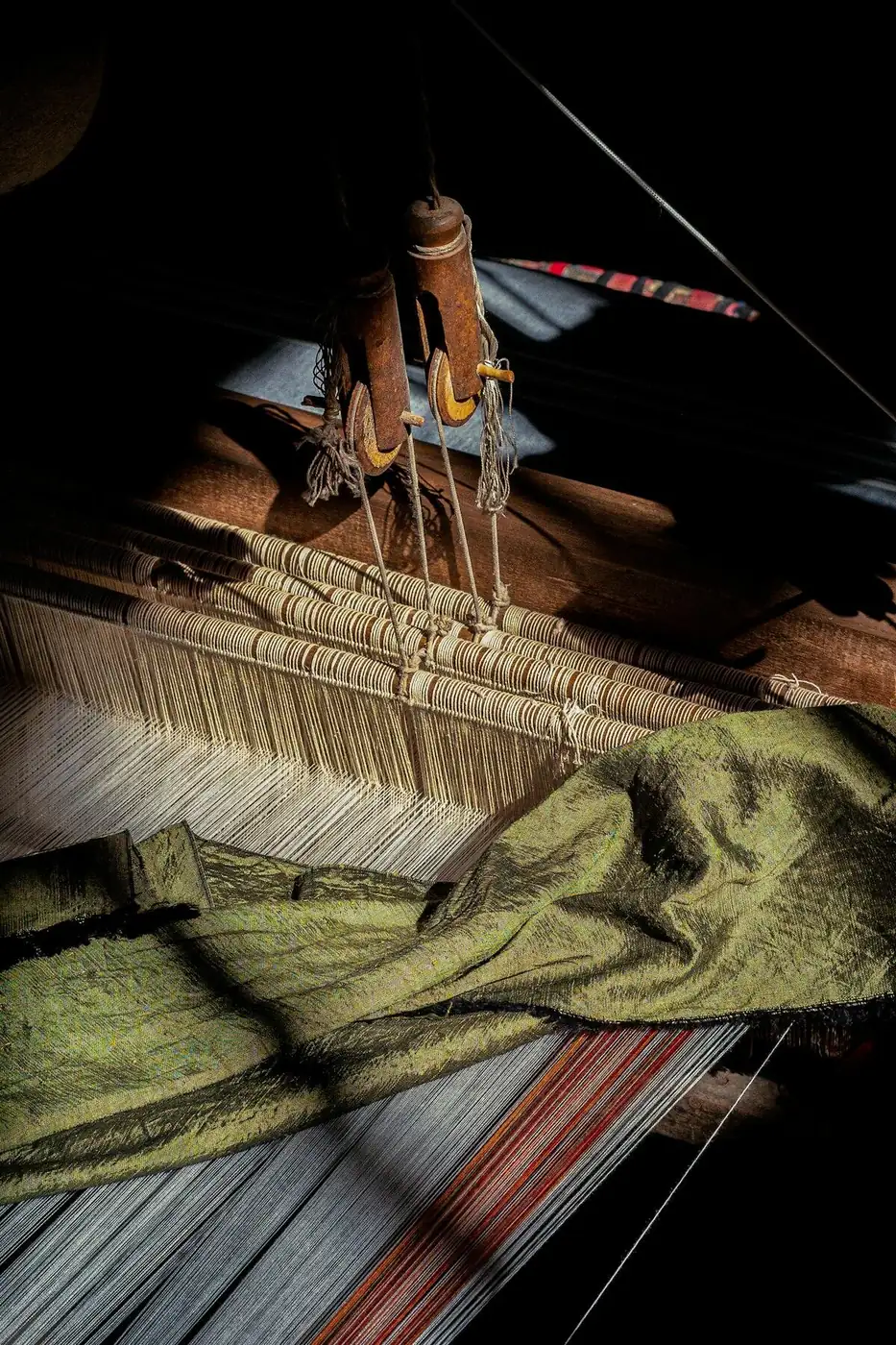
Every piece is GI-authenticated through the Craft Development Institute in Srinagar and lot-traceable to its atelier and season. See The Craft for the burn, ring, and certification tests we run before anything ships, and Buyer Protection for how to avoid unauthorized resellers and other scams that target pashmina buyers specifically. If your certificate or paperwork is ever lost, contact us with your order details and we'll reissue it from our own lot records, you're never dependent on a single piece of paper to prove what you bought.