Pashmina vs. Cashmere: What Actually Separates Them
Two words that once named the same valley now mean very different things. Here's exactly where they diverge, fibre by fibre.
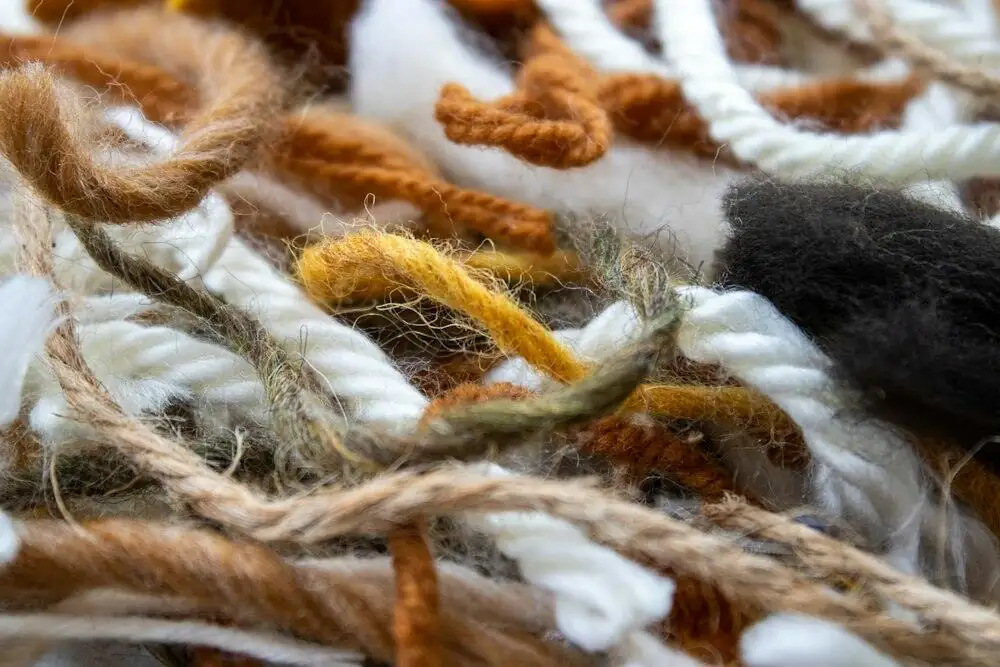
"Pashmina" and "cashmere" both trace back to the same place. Pashmina comes from the Persian pashm, wool, and names the fine undercoat combed each spring from Changthangi goats on the high Changthang plateau. Cashmere is simply the English rendering of "Kashmir." Centuries ago the two words pointed at the same valley and, largely, the same fibre.
They've since split. In global trade, "cashmere" drifted into a broad category covering goat-fibre wool generally, 14 to 19 microns, from any of several cashmere-goat breeds, collected by combing or shearing, often machine-assisted, and usually spun by machine. "Pashmina," under Kashmir's Geographical Indication law, stayed narrow: it legally names only wool that is hand-combed, hand-spun, and handwoven inside the recognised Kashmir region, from Changthangi goats specifically, running a finer 12 to 14 microns.
| Compared on | Pashmina | Cashmere |
|---|---|---|
| Source animal | Changthangi goat, specifically | Any of several cashmere-goat breeds |
| How it's collected | Combed alive, once a year, by hand | Combed or shorn, often machine-assisted |
| Fibre diameter | 12–14 microns | 14–19 microns |
| How it's spun | Hand-spun on a yinder, staple too short for a machine | Almost always machine-spun |
| Legal status | GI-protected in Kashmir | Legal, unregulated category |
| May be called "Kashmir Pashmina" | Yes, when hand-spun & handwoven in Kashmir | No |
This is exactly why the two get confused: "cashmere" on a label tells you almost nothing about how a piece was actually made, while "pashmina," used correctly, tells you the whole chain, the goat, the hand-combing, the hand-spinning, the region. A seller using the words interchangeably usually isn't lying, they're just using cashmere the way the market at large now does. A seller claiming "Kashmir Pashmina" on a piece that was machine-spun outside Kashmir is a different, more specific problem.
A note on labels: the US Federal Trade Commission treats pashmina as cashmere, not as a separate fibre, so a label may not say "100% Pashmina". A pure piece is labelled "100% Cashmere", and the difference this page describes is grade, origin and hand-work, not a different animal fibre. Ours read "100% Cashmere (Kashmir pashmina)".
Every piece Lucr sells states its exact fibre content on the product page. See How to Tell Real Pashmina From Fake for the physical tests, or the full Pashmina Guide for shahtoosh, merino, and synthetic "pashmina-style" comparisons too.
Browse the Lucr pashmina collection, read the GI pashmina explainer, or see the full Pashmina Guide.