Kani Weave, Explained
Never embroidered. The pattern is built directly into the structure of the cloth, thread by thread, using small wooden spools instead of a shuttle.
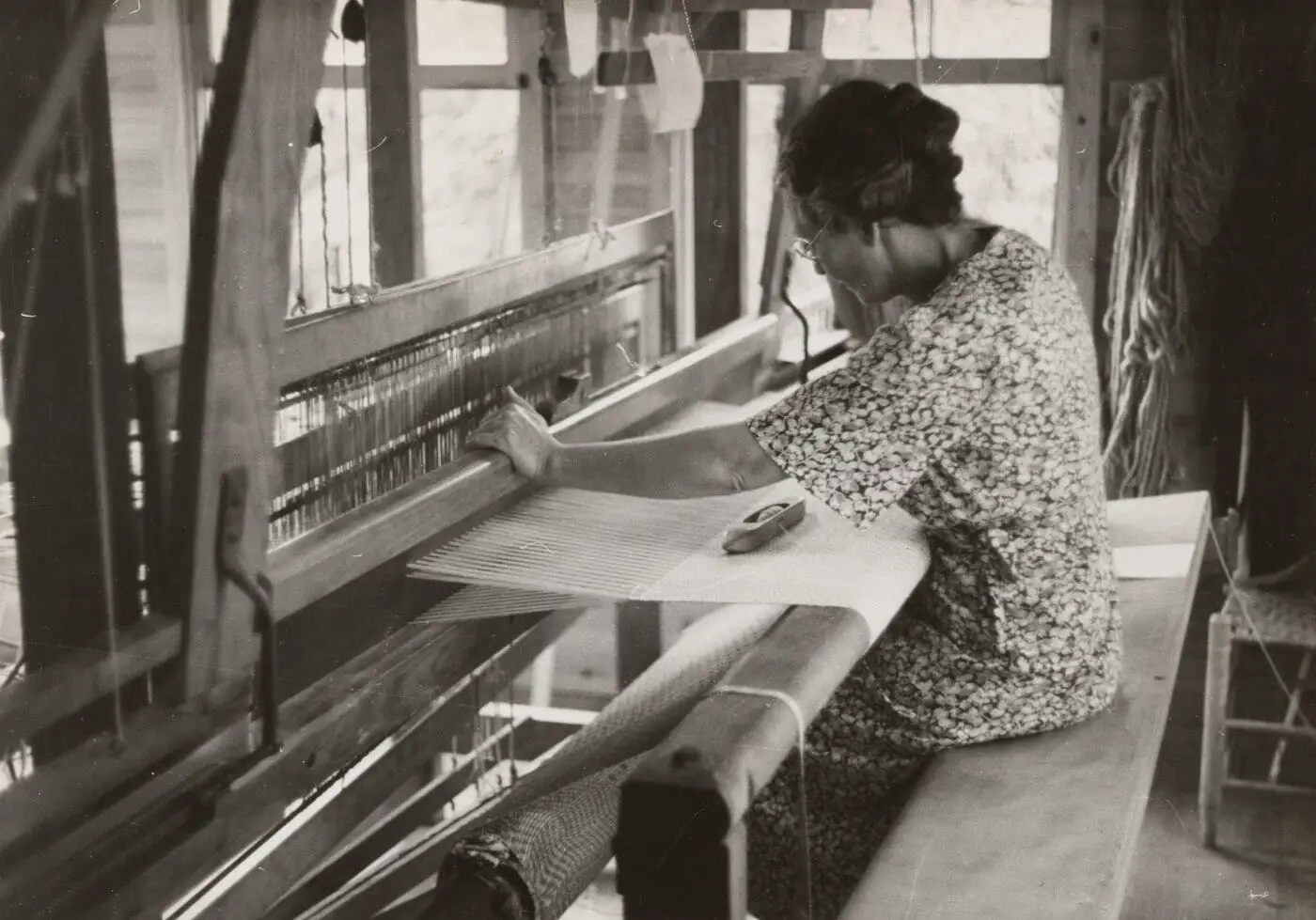
Kani is a weaving technique, not an embroidery one, the pattern is built directly into the structure of the cloth on the loom itself, using small wooden spools called tojis, one per colour, in place of a shuttle. There's no "right side," a true kani weave reads almost as clearly from the back as the front, just with the loose thread-ends visible rather than trimmed, because the motif is doing structural work, not decorative work laid on afterward.
It is, by a wide margin, the slowest technique in the house's vocabulary. A kani shawl of real complexity takes a single weaver months, sometimes the better part of a year, worked a few centimetres a day, entirely from memory, no chart. Our own Kani Weave Shawl runs close to five months on the loom. The weavers who still work kani this way are a shrinking number.
Kani is also the technique behind the boteh motif, the teardrop shape better known in the West by the name it picked up from Paisley, Scotland, after 19th-century mills began mass-producing cheap printed imitations of it. A printed or machine-embroidered "kani" shawl has a flat, uninterrupted reverse; a genuine one doesn't, because the pattern was never applied to the surface, it was woven into the cloth from the start.
Read Reading a Kani Shawl for the minute-by-minute way to spot a genuine one. See The Boteh Motif for how kani-woven paisley got its Western name.
Browse the Lucr pashmina collection, read the GI pashmina explainer, or see the full Pashmina Guide.